
In rice genome sequencing, molecular marker-assisted breeding, genetic modification testing, and other research applications, DNA extraction is a critical prerequisite for successful experiments. However, rice grains are difficult to process due to their hard husks and high starch content. Traditional manual grinding with liquid nitrogen is labor-intensive, time-consuming, and often results in inconsistent sample preparation, which can negatively affect downstream DNA extraction efficiency.
To address these challenges, the Welso Cryogenic Grinder provides a reliable and efficient sample preparation solution for rice DNA extraction, combining high grinding efficiency, low-temperature protection, and high-throughput processing capabilities.
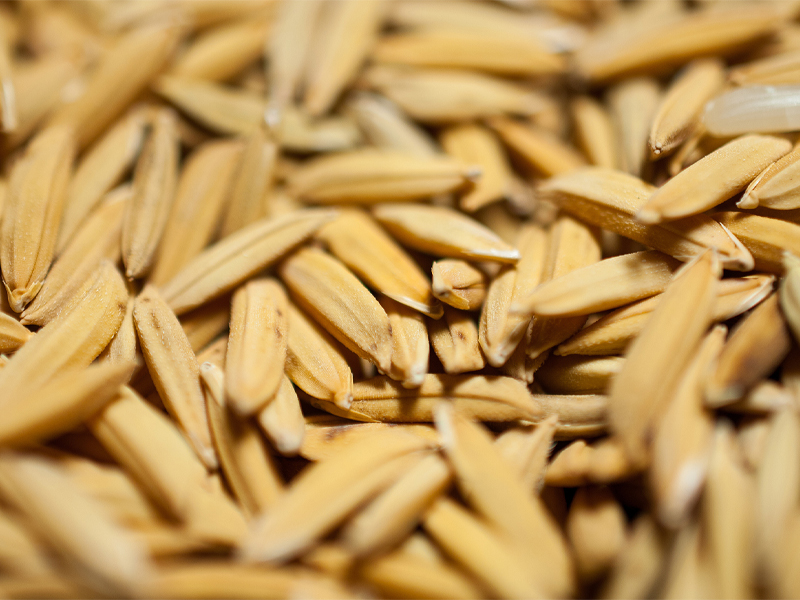
Why Are Rice Samples Difficult to Grind?
Rice grains consist mainly of the husk, seed coat, and endosperm. The husk contains high levels of silica and lignin, making it extremely hard, while the endosperm is rich in starch, which can become sticky during grinding. Insufficient grinding prevents complete disruption of the cell wall, reducing DNA release and extraction efficiency.
Therefore, obtaining a uniform and fine powder is essential for maximizing DNA yield and ensuring reproducible experimental results.
Advantages of the Welso Cryogenic Grinder
1. High-Frequency Impact for Efficient Cell Disruption
The grinder utilizes a three-dimensional high-frequency vibration mechanism. Grinding beads move rapidly inside sealed tubes, effectively crushing the hard rice husk and endosperm into a homogeneous fine powder within a short period of time.
2. Low-Temperature Protection of Nucleic Acids
The low-temperature grinding environment minimizes heat generation during sample processing, reducing nucleic acid degradation and preserving DNA integrity.
3. High-Throughput Sample Processing
Multiple samples can be processed simultaneously, making the system ideal for breeding programs, variety identification, and large-scale testing projects while significantly improving laboratory productivity.
4. Excellent Reproducibility
Standardized grinding procedures and programmable operating parameters reduce human error and ensure consistent results across different samples and batches.
5. Sealed Grinding with No Cross-Contamination
Each sample is processed in an independent sealed grinding tube, effectively preventing cross-contamination and meeting the stringent requirements of molecular biology applications.
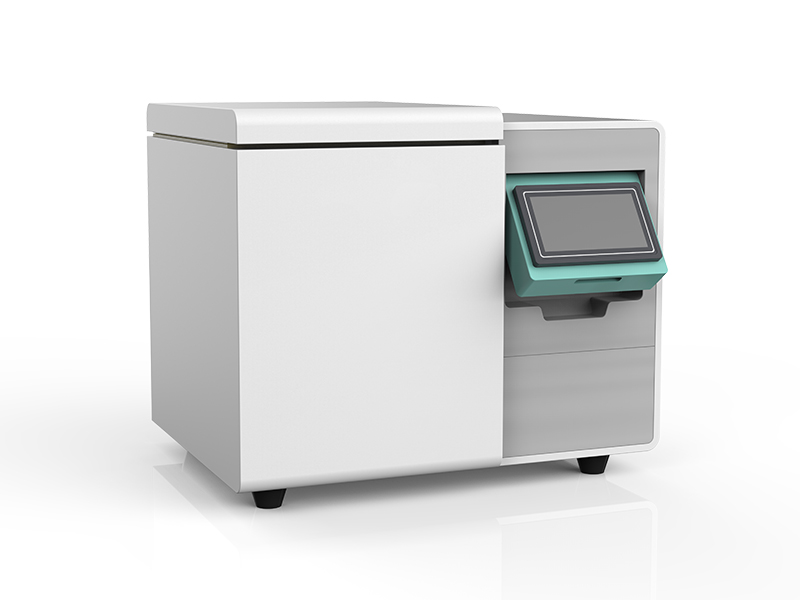
Experimental Workflow for Rice DNA Extraction Sample Preparation
Materials Required
Welso Cryogenic Grinder
Grinding tube adapter
Grinding tubes
Stainless steel or zirconia grinding beads
Rice grain samples
Procedure
Step 1: Sample Preparation
Place an appropriate amount of rice sample into a grinding tube and add grinding beads. The total volume of sample and beads should not exceed two-thirds of the tube capacity.
Step 2: Load the Samples
Insert the prepared grinding tubes into the adapter and ensure they are securely positioned.
Step 3: Install the Adapter
Mount the adapter onto the grinder shaft and confirm that it is properly locked in place before operation.
Step 4: Set Grinding Parameters
Configure the grinding program according to the sample characteristics, including:
Grinding time
Operating frequency
Interval time
Number of cycles
Step 5: Start Grinding
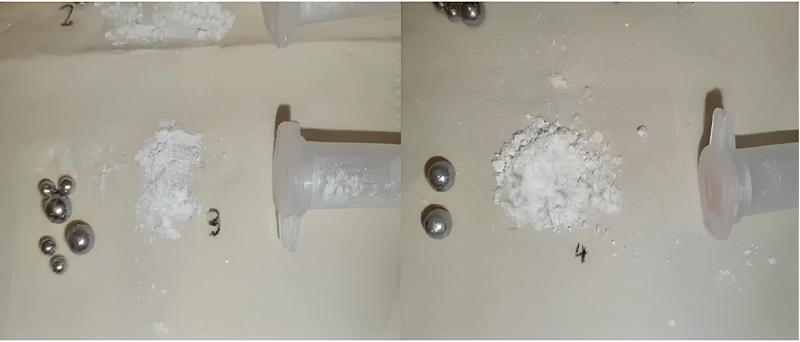
Run the grinding program. Through high-frequency vibration and bead impact, the rice samples are rapidly pulverized into a uniform fine powder.
Step 6: DNA Extraction
After grinding, remove the samples and add CTAB or SDS lysis buffer for DNA extraction. The processed samples are then ready for PCR amplification, gene sequencing, molecular marker analysis, and other downstream applications.
Experimental Notes
Select appropriate grinding tubes and grinding beads based on the sample volume.
For particularly hard or tough samples, pre-cooling with liquid nitrogen is recommended before grinding.
Do not overfill the grinding tubes; the combined volume of sample and beads should remain below two-thirds of the tube capacity.
Proceed with DNA extraction as soon as possible after grinding to minimize sample exposure and maintain nucleic acid quality.
Application Areas
Molecular Marker-Assisted Breeding
Suitable for high-throughput DNA extraction from individual rice seeds, supporting SSR, SNP, and other molecular marker analyses.
Genetically Modified Organism (GMO) Testing
Ensures complete disruption of rice tissues, improving DNA extraction efficiency and the reliability of GMO detection results.
Plant Genomics Research
Provides a dependable sample preparation method for genome sequencing, genetic analysis, and functional gene studies.
Plant Metabolite Analysis
Low-temperature grinding effectively preserves temperature-sensitive compounds such as flavonoids and phenolic acids, supporting subsequent LC-MS/MS and other analytical techniques.
Conclusion
As an essential tool for laboratory sample preparation, the Welso Cryogenic Grinder enables rapid and efficient pulverization of rice samples while improving DNA extraction efficiency and experimental reproducibility. Whether for agricultural breeding research, molecular biology studies, or food safety testing, Welso provides a reliable and high-performance solution for rice sample grinding and DNA extraction workflows.



info@welsotech.com
+86 21 51096910
Head Office: No. 439 Jinglian Road, Minhang District, Shanghai,China, 201108
Branch: 1-1009, National Industrial Design Park, No. 599 Jianzhu Road, Binhu, Wuxi , Jiangsu, China, 214062